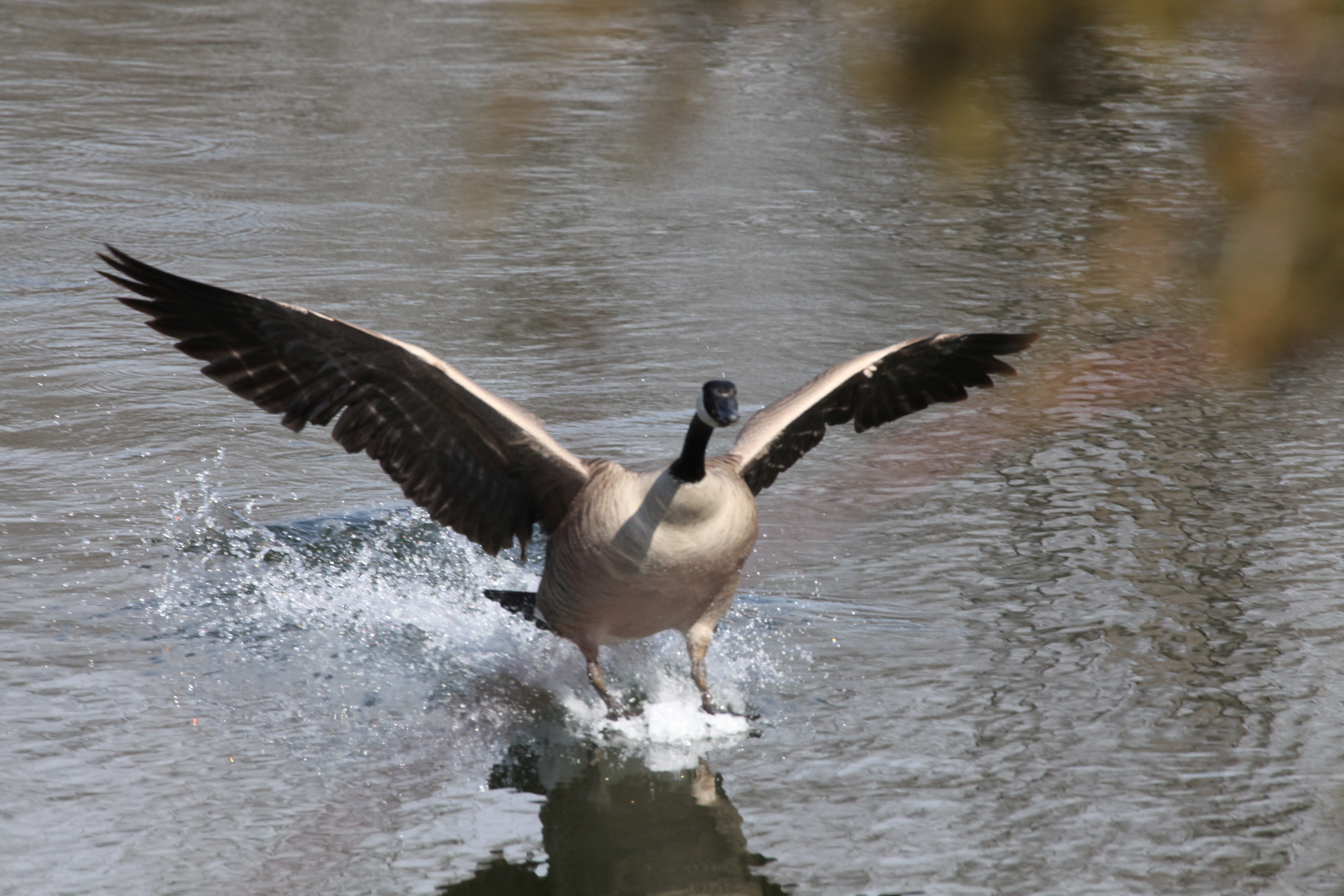
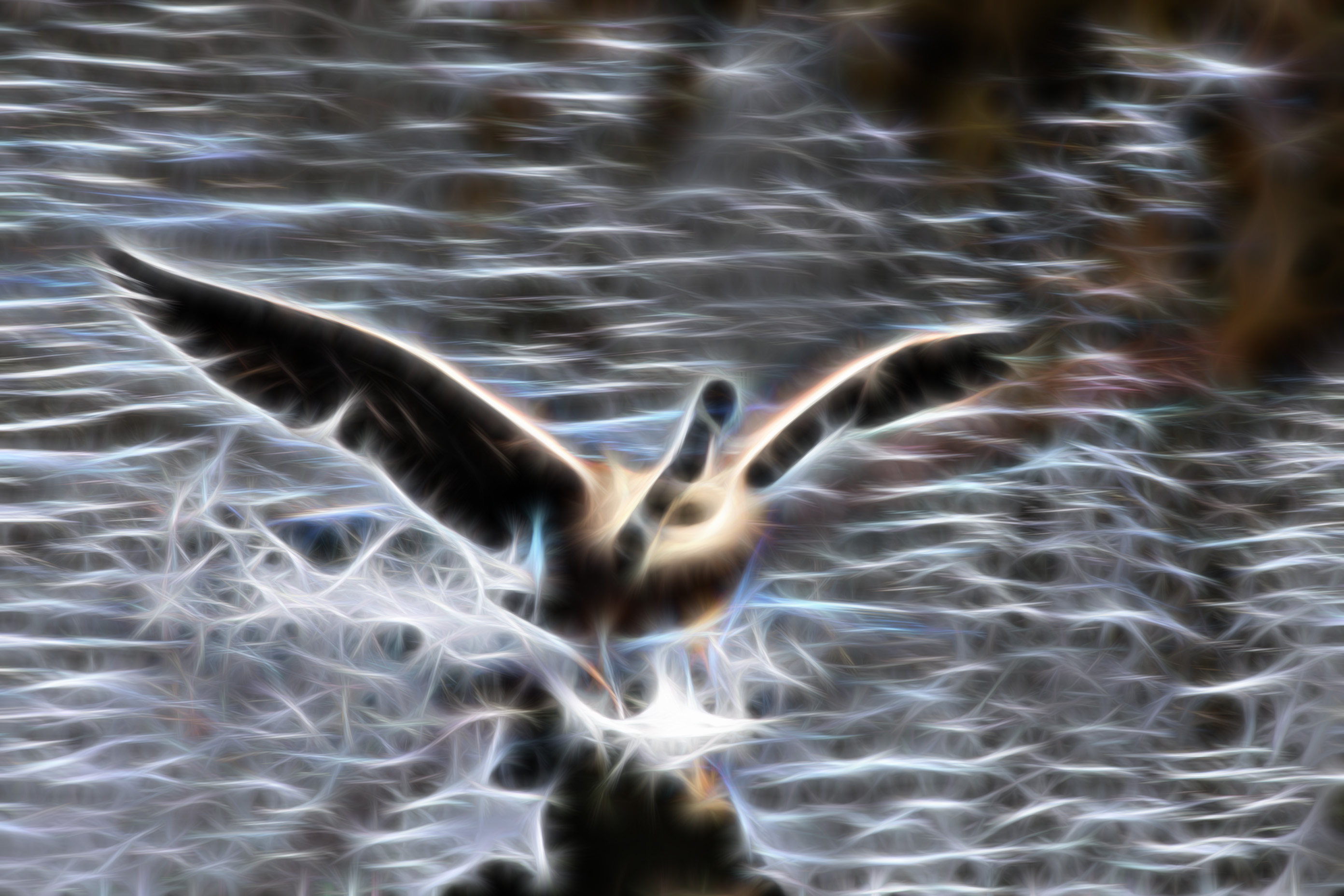
When Ansel Adams exposed a photographic plate or piece of
film, he thought about the light, perspective, exposure and
so on. He would often manipulate the development process to
maximize the dynamic range of his negatives. Printing the
negative was an exercise in photo-manipulation mostly
through dodging and burning.
Some Post-processing Image Software
Edit photos and videos on iPhone
https://support.apple.com/guide/iphone/edit-photos-and-videos-iphb08064d57/ios
Editing basics in Photos on Mac
https://support.apple.com/guide/photos/editing-basics-pht304c2ace6/mac
Lightroom
http://www.adobe.com/creativecloud/photography.html
Lightroom tutorials
https://photographylife.com/post-processing-tips-for-beginners
GIMP (Open Source similar to PhotoShop)
http://gimp.org
GIMP Tutorials
http://www.gimp.org/tutorials/
Photojournalism
Photojournalism: A Complete Guide
https://petapixel.com/what-is-photojournalism/
Photojournalism tells a story not in thousands of words but
in a single photo (or a short series of photos). Just as a
written news story presents a complete picture by providing
an overview, a thesis, subjects, and various points of view,
photojournalism achieves this same objective
pictographically.
Many types of photojournalism exist, and there are just as
many ways to practice it. From news to features, photo
stories to portraits, from documenting wars to local news
and sports, photojournalism represents a category as broad
as journalism itself. What remains constant throughout is a
dedication to unbiased, honest reporting. Photojournalism
aims to present the facts, to provide a picture of reality,
to inform.
 From Veteran Associated Press photographer, Anja Niedringhaus
Photo Assignment - Telling a Story
Photojournalism aims to present the facts, to provide a
picture of reality, to inform.
Capture an image or a sequence of images that tells a story.
Perhaps something in your neighborhood or community. You
want the image(s) to hold the viewer's attention and have an
impact.
Book Recommendation (advanced)
Bela Julesz
Foundations of Cyclopean Perception
The MIT Press; 1 edition (March 31, 2006)
ISBN-10: 0262101130
ISBN-13: 978-0262101134
This classic work on cyclopean perception has influenced a
generation of vision researchers, cognitive scientists, and
neuroscientists and has inspired artists, designers, and
computer graphics pioneers.
In Foundations of Cyclopean Perception (first published in
1971 and unavailable for years), Bela Julesz traced the
visual information flow in the brain, analyzing how the brain
combines separate images received from the two eyes to
produce depth perception.
Stereo pairs consists of two images, one from the perspective
of the left eye and one for the right eye. Even though the
two pictures may look very similar, they are not identical.
During viewing, the left eye sees the left image and the
right eye the right; then the brain fuses the two so you
perceive depth.
Cross your eyes until you see a middle third image.

 Right Image Left Image

 Right Image Left Image
sam.wormley@icloud.com
Right Image Left Image
sam.wormley@icloud.com